

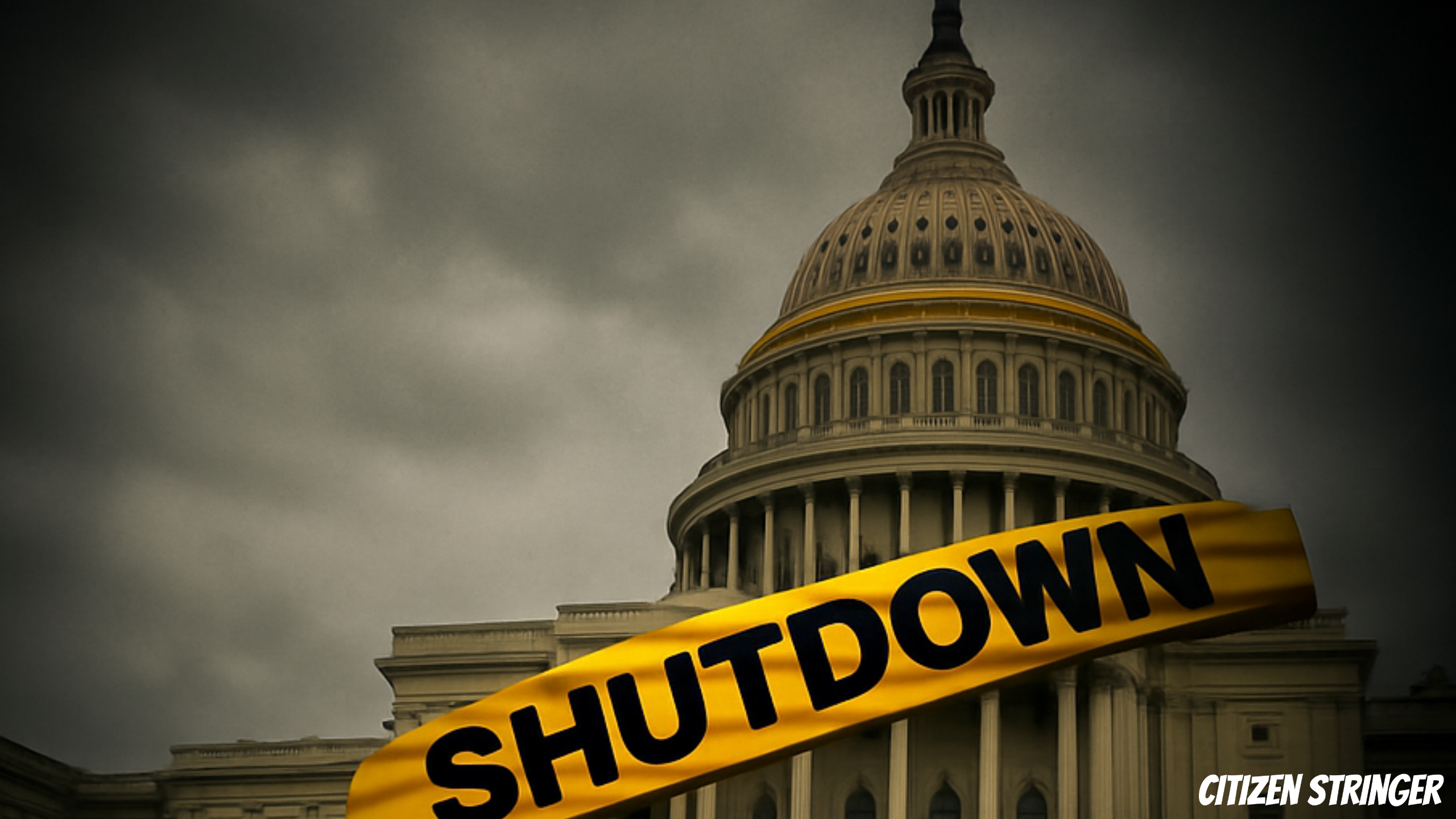
A partial government shutdown began at midnight on Saturday, February 1, 2026, after the United States Congress failed to pass a series of spending bills required to fund key federal agencies. The lapse in funding primarily affects the departments of Homeland Security, Transportation, and the Interior, while other agencies like the Department of Defense remain operational under previously approved budgets.
The stalemate centers on a fundamental disagreement between House Republicans and the Senate regarding federal spending levels and policy riders. GOP leadership has insisted on deep spending cuts and the inclusion of strict border security measures as a condition for funding. Conversely, Senate Democrats and the White House have rejected these demands, advocating for a “clean” funding bill that maintains current spending levels without controversial policy shifts.
The immediate impacts of the shutdown are being felt across the country as thousands of federal employees face furloughs.
- Essential Personnel: Tens of thousands of workers, including TSA agents, Border Patrol officers, and air traffic controllers, are required to work without pay until a budget is approved.
- National Parks and Services: While some national parks may remain open with limited staffing, visitor centers and non-essential services are expected to close.
- Transportation and Logistics: The Department of Transportation has warned of potential delays in non-essential infrastructure projects and safety inspections.
This shutdown occurs against a backdrop of significant national unrest and a widespread “National Shutdown” general strike that has already disrupted schools and businesses in over 300 cities. The overlap of a federal funding lapse and mass civil demonstrations has created an unprecedented logistical challenge for the remaining operational segments of the government.
Economic analysts warn that a prolonged shutdown could further strain an already volatile market, especially as the Trump administration continues to navigate intense trade disputes with Canada and Mexico. While President Trump has signaled a desire for a quick resolution, he has maintained that he will not sign any legislation that does not address his primary security concerns at the southern border.
Negotiations are expected to resume on Capitol Hill early Monday morning, though both parties remain dug into their respective positions with no clear timeline for a compromise.


