

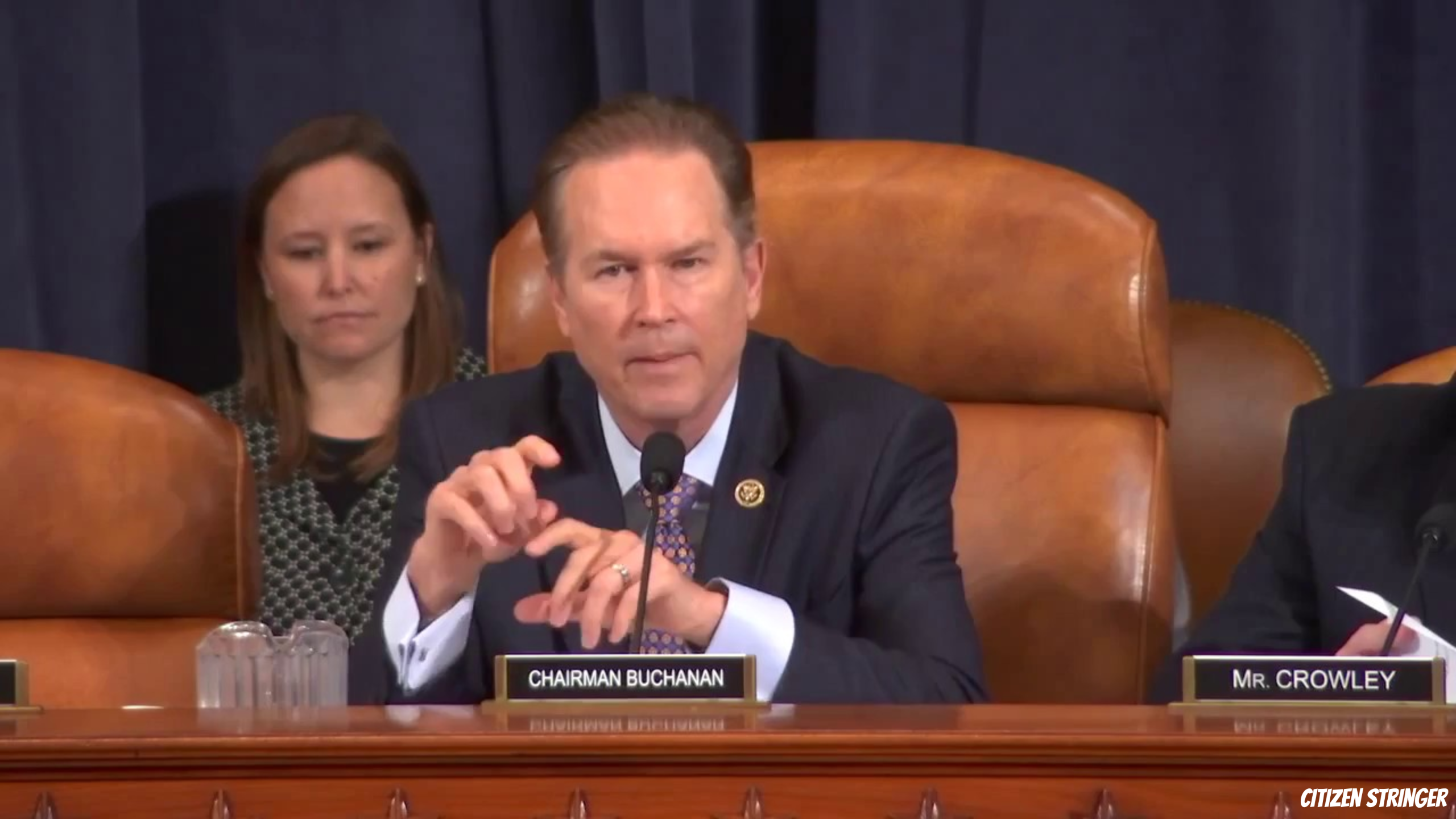
WASHINGTON — A significant shift is underway in the U.S. House of Representatives as veteran Florida Republican Vern Buchanan announced today that he will not seek re-election in 2026. Buchanan, 74, has represented Florida’s 16th District for two decades and is the latest in a mounting “wave” of departures that could redefine the balance of power in the upcoming midterms.
His retirement is part of a broader exodus. As of late January 2026, roughly 49 incumbent House members—21 Democrats and 28 Republicans—have announced they are stepping away from their current seats.
Notable Names Heading for the Exit
Buchanan is joined by several other high-profile representatives who are either retiring from public life or seeking different offices:
- Rep. Nancy Pelosi (D-CA): The former Speaker of the House announced she will retire at the end of her term, marking the end of a legendary era in Democratic leadership.
- Rep. Elise Stefanik (R-NY): A key member of the House Republican leadership, Stefanik has also announced she will not seek re-election to her House seat.
- Rep. Marjorie Taylor Greene (R-GA): In a surprise move, Greene resigned her seat in early January 2026 following a public rift with the Trump administration over policy issues.
- Rep. Eric Swalwell (D-CA): Swalwell is leaving his House seat to launch a bid for Governor of California.
- Rep. Jasmine Crockett (D-TX): One of the most outspoken voices in the Democratic caucus, Crockett is vacating her seat to run for the U.S. Senate.
Implications for the 2026 Midterms
The sheer volume of retirements—already exceeding 10% of the chamber—creates a record number of open seats. Historically, open seats are more difficult for a party to defend than those held by incumbents, who typically enjoy high re-election rates.
Political analysts suggest several factors are driving this trend:
- The “Midterm Backlash”: Historical patterns of “thermostatic politics” often result in the president’s party losing House seats during the midterm following their victory. With Republicans currently holding a razor-thin majority of 220 seats, even a small shift could hand control back to the Democrats.
- Redistricting Scramble: Mid-decade redistricting in several states, including Texas and North Carolina, has redrawn maps to be less favorable for certain incumbents, prompting some to retire rather than face a difficult fight in an unfamiliar district.
- Ambition for Higher Office: A majority of those leaving are not retiring from politics entirely but are instead aiming for competitive Senate seats or governorships.
As the 2026 cycle begins in earnest, these open-seat contests will likely become the primary battlegrounds for party control. For the Trump administration, the loss of reliable allies like Buchanan and Stefanik means a potential uphill battle to maintain a legislative majority through the second half of the term.


